AI, Work and the Future of HR in Malaysia

A 30-minute keynote in three stories

Opening frame

This keynote is about one question

When AI changes how work is done, who wins?

The individual
Will my job still matter?

AI saves time, but it also changes what makes a person valuable.

The company
Will productivity really improve?

Tools alone do not create value. Work must be redesigned.

HR
Will HR lead or react?

The function closest to people now shapes the future of work.
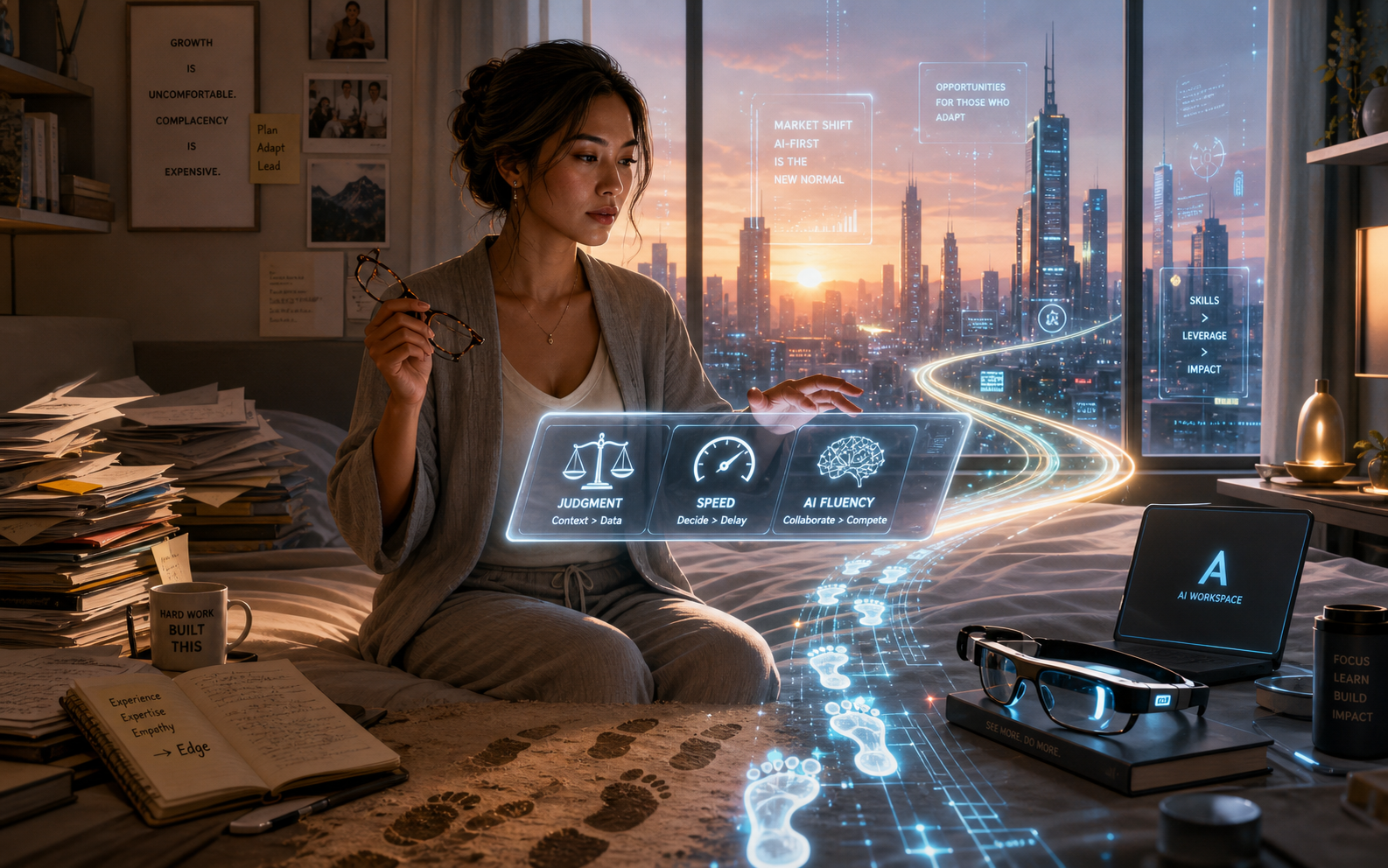
Story 1

Meet Aina

She is capable, diligent and experienced. But she wakes up one morning and realises the market no longer pays only for effort. It pays for judgment, speed and AI fluency.

The individual story

Aina discovers the paradox

AI is helping people move faster, but it is also raising the bar. The person who only does tasks may struggle. The person who can direct, review and improve AI output becomes more valuable.

93
% using GenAI at work

Malaysian employees are already using generative AI widely.

81
% save significant time

AI is already creating measurable efficiency.

68
% say workload increased

Time saved does not automatically mean pressure reduced.

12
% get enough AI training

Adoption is racing ahead of capability building.

What individuals need to understand

Aina's real lesson: jobs are being reshaped

1

AI changes the skill mix

BCG found 72% of workers say AI has already changed the skills their roles require.

2

Judgment rises in value

47% report spending more time managing AI than doing the work itself.

3

Wellbeing becomes strategic

67% of regular AI users say job satisfaction improved, yet 41% report higher cognitive load.

Story 2

Now meet the company

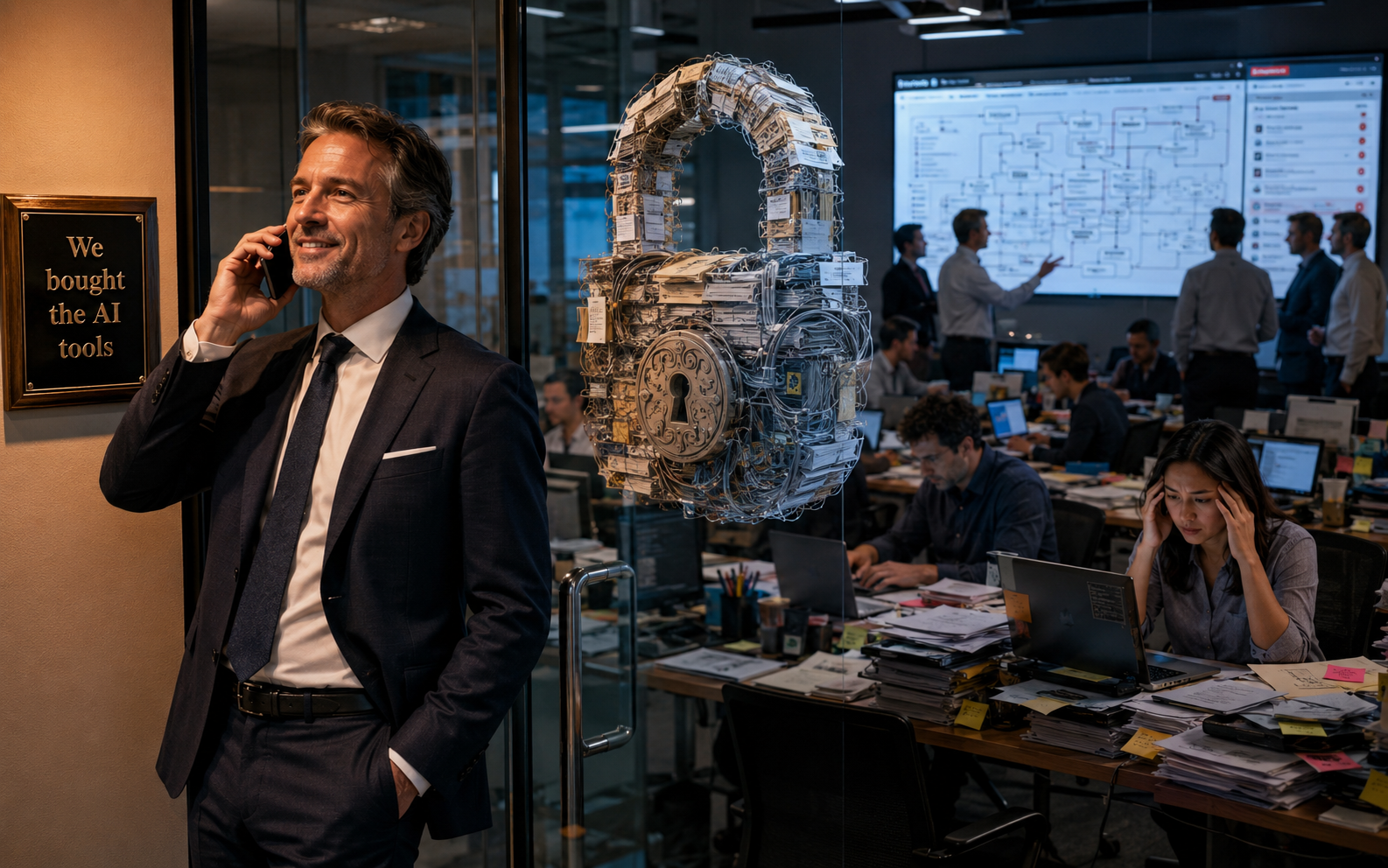
The CEO says, “We have bought the AI tools.” But the teams are still overloaded, managers are confused, and the hoped-for gains remain trapped inside the workflow.

The company story

The productivity story in Malaysia

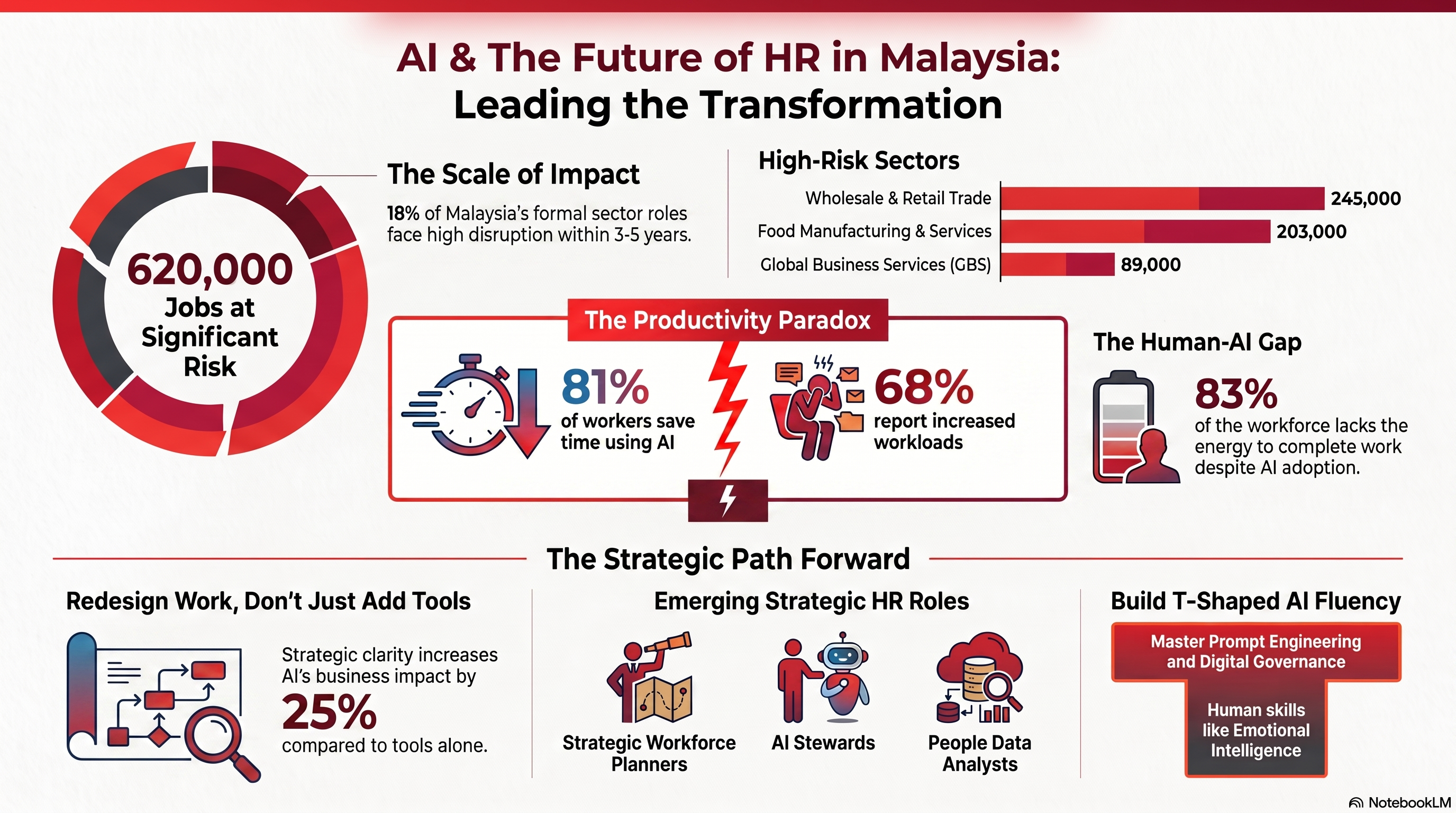
620,000
jobs significantly affected

TalentCorp estimates around 18% of formal sector roles across 10 sectors could be significantly affected within three to five years.

60
emerging roles identified

43 of them, or 72%, are tied to AI and digital capabilities. Disruption and opportunity are happening together.

Wholesale & retail
245k
Food manufacturing
203k
GBS
89k
ICT
30k

What companies need to understand

Tools are not transformation

Adoption without redesign

If AI saves time but people just receive more tasks, the organisation gets busier, not better.

Training is the bottleneck

Only 12% receive sufficient AI training, so many firms are using powerful tools with shallow capability.

Strategy beats tools

The winners are not the firms with the most tools, but the firms that redesign jobs, workflows and decisions.

Story 3

Finally, meet HR

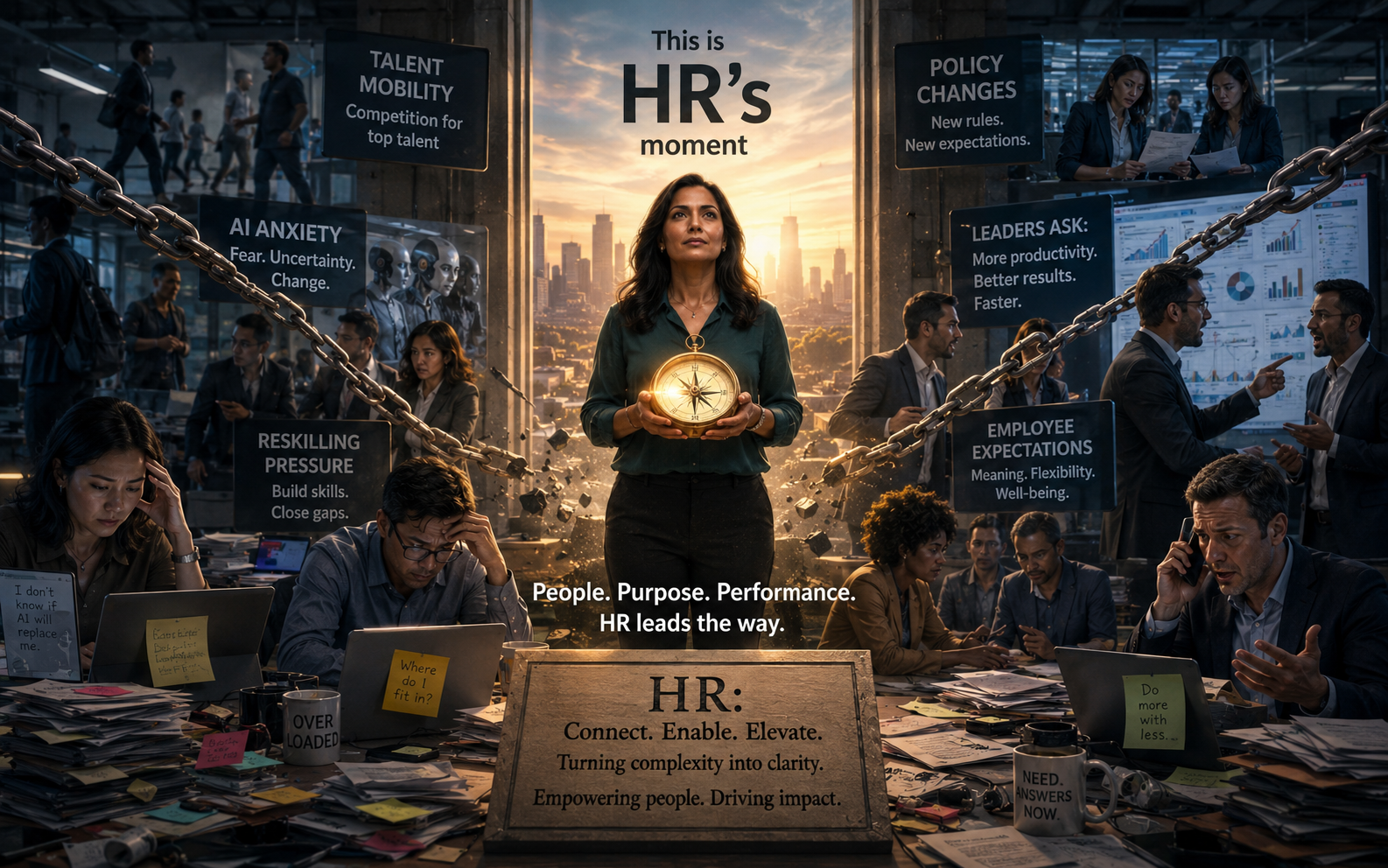
HR sits in the middle of all this tension: talent mobility, AI anxiety, reskilling pressure, policy changes, and leaders asking for productivity. That is why this is HR's moment.

The HR perspective

HR is not the audience of AI. HR is the architect of AI at work.

What HR must now do

  • Redesign jobs so humans and AI each do the right work.
  • Build AI fluency, not just one-off tool demos.
  • Protect fairness, privacy and human oversight in decisions.
  • Rebuild the employee value proposition around skills and growth.
93
% of employees open to better roles
23
% of employers cite retention as a top obstacle
35.6
% skills-related underemployment
30,000
AI professionals targeted by 2030

Update their understanding

Five messages to leave in the room

1. AI is no longer future talk. It is already embedded in Malaysian work.
2. The biggest risk is not replacement alone. It is being unprepared for redesigned work.
3. Productivity gains can disappear if work is not redesigned and people are not trained.
4. HR has become central to capability building, trust and governance.
5. The organisations that thrive will combine AI fluency with human judgment, ethics and leadership.

This keynote is only the first chapter

Later today
2 hours practical AI uses

Real prompts, real workflows and real HR use cases.

Tomorrow
2 hours AI governance

Risk, fairness, human oversight and responsible adoption.

The invitation
Do not stop at awareness

Come back for the practical skills and the governance discipline.